
[UN]Love

The title [UN]Love encapsulates the duality of love's presence and absence. The prefix “UN” evokes themes of loss, unrequited love, and the experience of being unloved, while the brackets suggest that love can exist in various forms.
Conditional, unconditional, or even absent entirely. This dichotomy reflects love's complexity and its ability to persist, transform, or unravel in different contexts.
[UN]Love is a project that delves into the complexities of love through the voices of historically underrepresented female composers. Love has always been a central theme in art, but its narratives have often been shaped through a singular lens, predominantly male perspectives that focus on heartbreak, scorn, or tragedy.
This project aims to amplify alternative perspectives: maternal love, the origins and fragility of love, female grief, and the ways women are loved and viewed.
The harp, historically associated with elegance, femininity, and refinement, has long been tied to specific cultural images, graceful women performing in French salons, or angelic figures in romanticised heavenly portrayals. While iconic, this image has also limited perceptions of the instrument and the scope of its repertoire. Traditionally viewed as an instrument of beauty and delicacy, the harp's potential for power, versatility, and modern expression has often been overlooked.
In 2025, this traditional association is evolving. The harp is increasingly being used as a vehicle for bold, innovative works that challenge its conventional image, with composers and performers pushing its boundaries in both technique and repertoire. Through [UN]LOVE, I aim to contribute to this transformation by exploring and showcasing how the harp can embody a wide range of emotions and narratives. This project highlights the harp's role in reimagining its identity, not just as an emblem of grace but as a powerful medium for storytelling.
The repertoire includes:
La Madone by Caroline Lizotte
Fragile by Judith Weir
Deuxième Ballade by Henriette Renié
Seraphim by Deborah Pritchard
After a decade of performing new music without recording it, I've come to appreciate the importance of preserving these works; not just for myself, but for anyone who might find meaning in them. Each piece in this project holds a deep significance for me, whether because of the moments it represents in my life or the unique circumstances that brought it into existence.
This deliberate effort seeks to preserve and revitalise compositions that might otherwise be lost to the repertoire, diversifying and enriching the future of harp music.
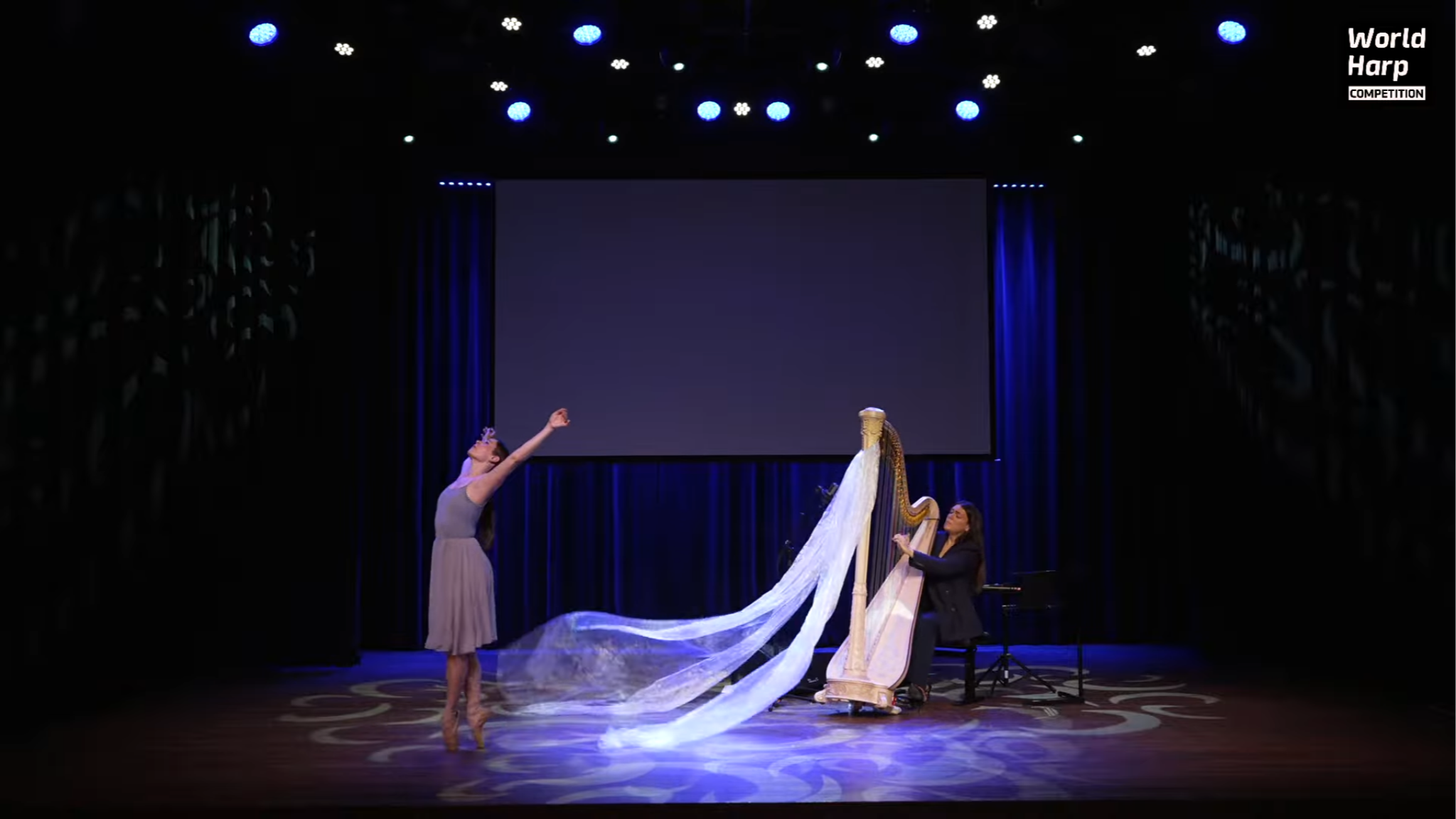
World Harp Competition
Gabriella met contemporary ballet dancer and choreographer Alice Oakley Jones, working on a newly commissioned contemporary ballet company work of Snow White. Both are open and active in their artistic collaborations and formed a cross-art duo focused on mirroring movement between sound and musicality.
As semi-finalists at the World Harp Competition 2026, their performance placed the harp at the centre of a dialogue between dance, film, and movement. They explored the body of the harpist as choreography: gestures mirrored, distorted, and interrupted and physical theatre in direct response to sound. Inviting audiences into a performance that is intimate, defiant, and an opportunity to experience love in its most fragile, unsettling, and transformative forms.
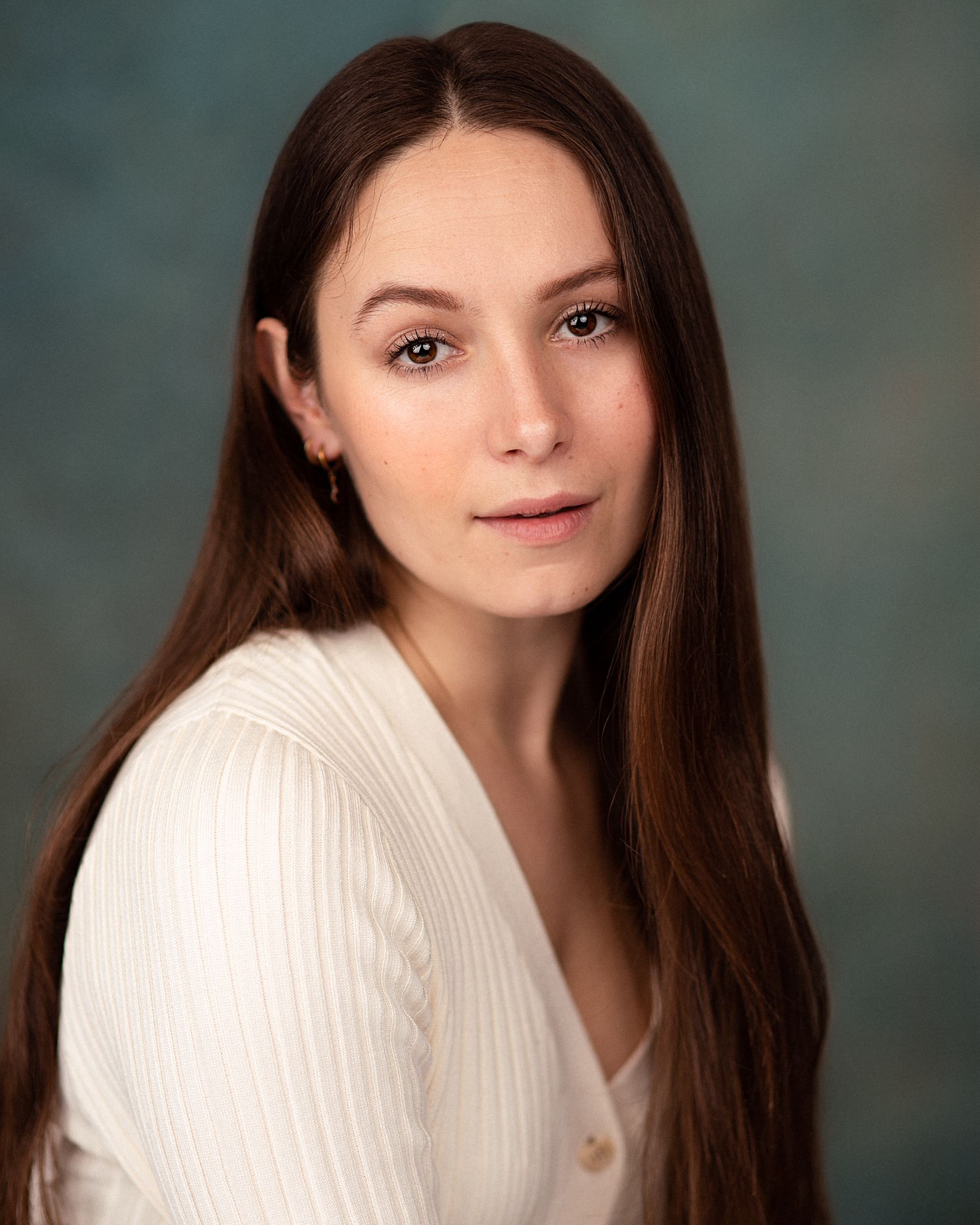
Alice Oakley Jones is a freelance dance professional with roots in classical ballet and contemporary dance. Alice found her love of dance at her Mothers school; The Oakley School of Dancing. She went on to train in London at the Royal Academy of Dance, followed by a year’s apprenticeship with The London Ballet Company.
As a professional dancer Alice has forged a diverse career that spans the industry with credits in international Theatre productions, film and advertising campaigns. She has had the pleasure of dancing lead/soloist roles for several classical and contemporary companies. As a choreographer Alices vision is creating bold cross arts collaborative contemporary ballets. Alongside her busy ‘on stage’ career Alice teaches pre professional students and works with several dance charity programmes helping shape the next generation of artists.